

Interventional Radiology
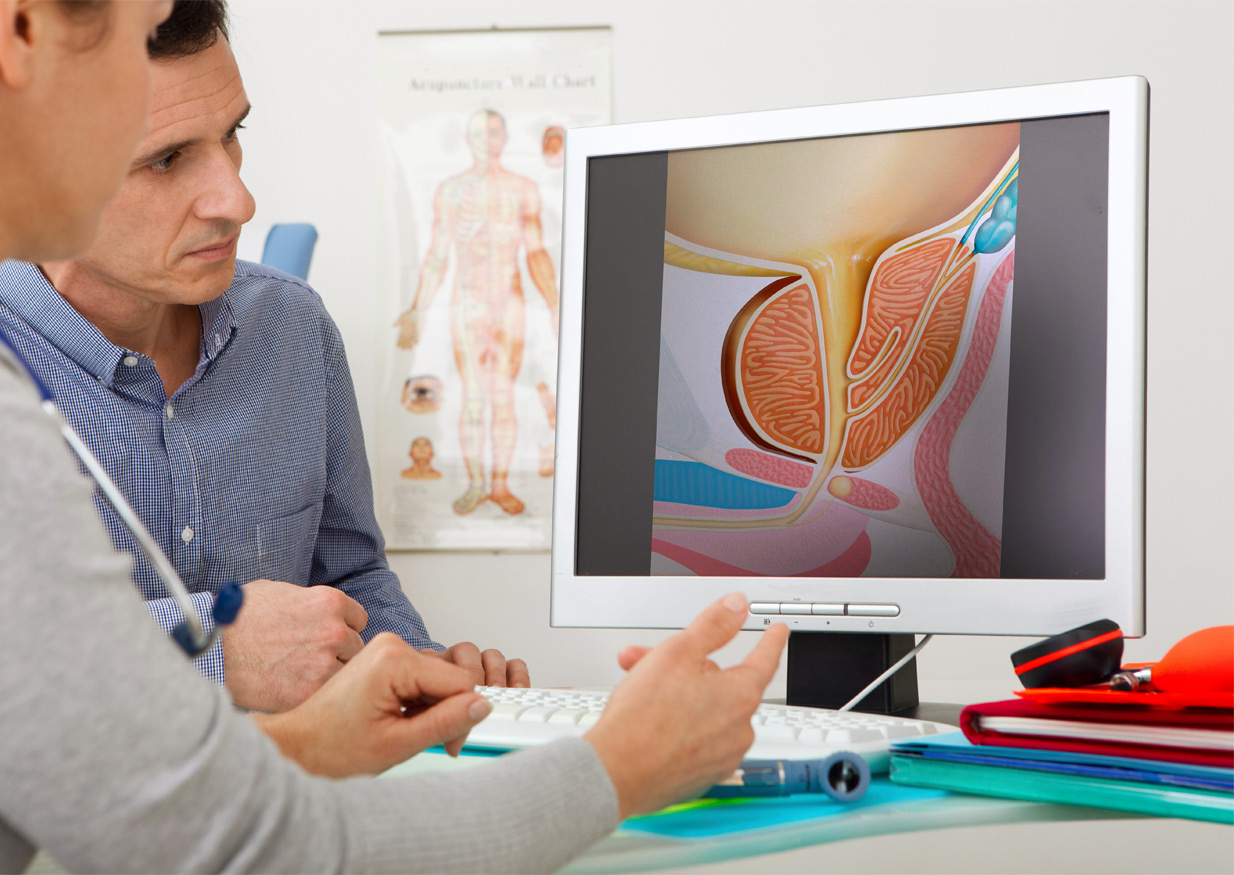 Arizona Interventional Associates (AIA) is an extension of Academic Urology & Urogynecology of Arizona specializing in interventional radiology to treat a variety of conditions.
Providing Advanced Therapies, Including Prostate Artery Embolization
Aaron Brandis, MD is specifically focused on the use of prostate artery embolization (PAE), which is a new advanced therapy for the treatment of benign prostate hyperplasia (BPH) that is less painful, has fewer side effects, and boasts a shorter recovery time thanks to the minimally invasive nature of the procedure. A great alternative to transurethral resection of the prostate (TURP) surgery for those with BPH, PAE is the only FDA-approved non-surgical intervention for this condition.
Learn more about AIA, Dr. Aaron Brandis, and prostate artery embolization at AZInterventionalAssociates.com.
INTERVENTIONAL RADIOLOGY PROCEDURES
offered by Arizona Interventional Associates
Arizona Interventional Associates (AIA) specializes in interventional radiology for the treatment of a variety of conditions. Your doctor will discuss with you if any of these procedures may be beneficial for your condition.
- Prostate Artery Embolization (PAE) for Benign Prostatic Hyperplasia (BPH)
- Varicocele (unilateral)
- Renal Mass Cryoablation
- Uterine Artery Embolization
- Suprapubic Catheter Placement/Exchange
- Percutaneous Nephrostomy Insertion/Exchange
- Hemorrhoid Artery Embolization (HAE)
Hemorrhoid Artery Embolization (HAE)
Hemorrhoids affect millions of adults and can significantly disrupt daily life. We now offer Hemorrhoid Artery Embolization (HAE) through our Interventional Radiology (IR) Center—a non-surgical, minimally invasive option for treating symptomatic internal hemorrhoids. HAE is designed to reduce hemorrhoid symptoms while preserving normal anatomy, minimizing discomfort, and shortening recovery time.
What Are Hemorrhoids?
Hemorrhoids are swollen blood vessels located in and around the anus and rectum. They commonly develop due to: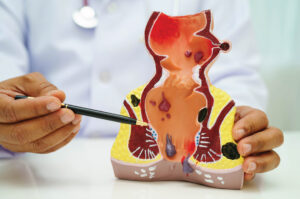
- Chronic constipation or straining
- Prolonged sitting
- Pregnancy or childbirth
- Heavy lifting
- Aging
Symptoms may include:
- Rectal bleeding
- Pain or discomfort
- Itching or irritation
- A feeling of fullness or pressure
Treatment Options
 When diet changes, fiber supplements, or medications don’t provide relief, treatment options for chronic internal hemorrhoids may include:
Rubber band ligation – first-line outpatient procedure, often with less durable results
Hemorrhoidectomy – in-patient surgical procedure that includes risks, complications and a difficult recovery
Hemorrhoid artery embolization (HAE) – minimally invasive procedure for patients with grade 1 to 3 internal hemorrhoids that offers comparable results with less pain and a shorter recovery
What is Hemorrhoid
Artery Embolization (HAE)?
Hemorrhoid Artery Embolization (HAE) is a non-surgical, minimally invasive option for treating HAE, designed to reduce hemorrhoid symptoms while preserving normal anatomy, minimizing discomfort, and shortening recovery time.
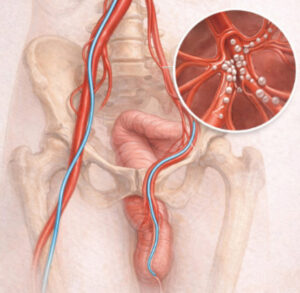
HAE is a catheter-based procedure performed by an interventional radiologist. Rather than removing hemorrhoids surgically, HAE targets and reduces the blood flow to the hemorrhoid tissue, causing it to shrink over time.
- A tiny catheter is inserted through an artery in the wrist or groin
- Using real-time imaging, the catheter is guided to the arteries supplying the hemorrhoids
- Microscopic embolization particles are used to reduce blood flow to hemorrhoid tissue
- The procedure typically takes about one hour. Patients return home the same day
Because the rectum has multiple blood supplies, normal tissue remains healthy while hemorrhoid symptoms improve.
Advantages of HAE
- Minimally invasive (no incisions or stitches)
- No general anesthesia required
- Preserves anal continence
- No rectal wounds
- Less post-procedure pain compared to surgery
- Short recovery time
- Return to normal activity in days not weeks
- High success rates for bleeding and symptom relief
Greater than
90%
success rate for
this procedure.
Aaron Brandis MD, FSIR
Board Certified Vascular Interventional Radiologist Specializing in Minimally Invasive Vascular Treatments
 Dr. Aaron Brandis graduated Summa cum Laude with honors from the University of Arizona in 2004 where he received a Bachelor of Science in Biochemistry and Molecular Biophysics. He then went on to study medicine at the University of Arizona in Tucson. During his time in medical school, he received many honors including membership in the Alpha Omega Alpha medical honor society and the Gold Humanism Foundation, as well as the outstanding senior medical student award for the class of 2008. He completed his internship in General Surgery at the Mayo Clinic Arizona, followed by his residency in Diagnostic Radiology at University of Pennsylvania Health System, Pennsylvania Hospital in Philadelphia. He underwent subspecialty fellowship training in Vascular and Interventional Radiology at the University of Pennsylvania.
Following the completion of his formal medical training in 2014, Dr. Brandis has continued to advance his clinical knowledge and skills with focus on complex peripheral arterial disease, acute and chronic venous disease, interventional oncology, vertebral augmentation, and prostate artery embolization. He is passionate about advancing the field of interventional radiology through multiple committee positions in the Society of Interventional Radiology and the American Board of Radiology. He is certified with the American Board of Radiology in Diagnostic and Interventional Radiology. He was just honored with induction as a Fellow into the Society of Interventional Radiology.
Take Control of Your Urologic Health
If you or a loved one is suffering from any type of urinary issue, or if you need access to regular examinations, consult with the top doctors at AUUA.